 Everton Hub
Everton's recent performances have been a mixed bag, with flashes of brilliance overshadowed by inconsistencies that leave fans yearning for more. Under the guidance of the coaching staff, the tactical framework has displayed a blend of defensive solidity and sporadic attacking intent; however, there are crucial tweaks to be made that could elevate the team's overall performance.
Current Tactical Setup
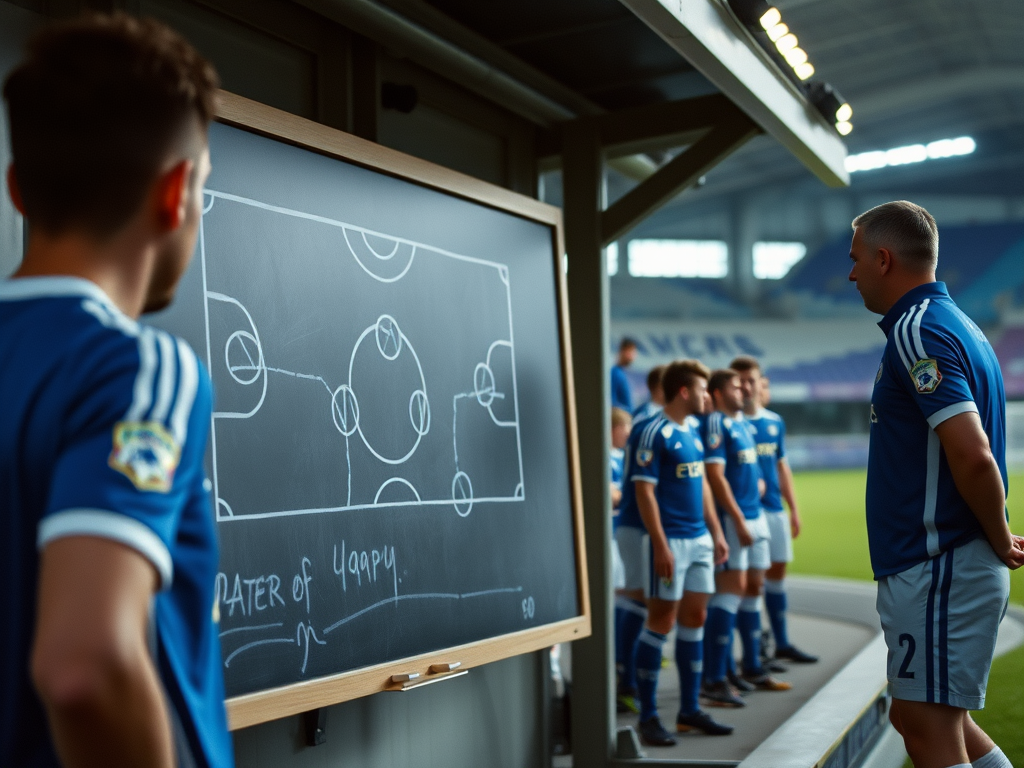
Currently, Everton employs a 4-2-3-1 formation that aims to provide both defensive stability and attacking width. The two holding midfielders, often comprising of Amadou Onana and Idrissa Gueye, are tasked with breaking up opposition play and facilitating transitions. This setup, while solid, has shown vulnerabilities, particularly in creating space for the attacking players. The reliance on wing play has been evident, yet the team often lacks the incisive passing necessary to break down well-organised defenses.
Suggested Tweaks
1. Dynamic Movement in Midfield: One of the key areas that need addressing is the movement of the midfielders. Currently, Onana and Gueye tend to stay deep, which limits the attacking players' ability to exploit the space created by their runs. Encouraging Gueye to push higher up the pitch could create an overload in midfield and allow for more creative options. If Gueye can support the attack while Onana holds, it could also provide better balance in transitions.
2. Utilisation of Full-Backs: Everton's full-backs, notably Vitalii Mykolenko and Nathan Patterson, have been instrumental in providing width. However, their offensive contributions could be maximised by implementing more overlapping runs, allowing them to combine effectively with wingers. This would stretch the opposition defense, creating space for forward players like Dwight McNeil and Dominic Calvert-Lewin to exploit in central areas.
3. Pressing Strategy: The pressing game has been inconsistent, often allowing opponents too much time on the ball. A more coordinated pressing approach could disrupt the opposition's rhythm and lead to more recoveries in advanced positions. By instructing the front four to initiate pressing when the opposition's defenders have the ball, Everton can regain possession higher up the pitch, leading to quick transitions and goal-scoring opportunities.
4. Incorporating a Second Striker: In certain matches, particularly when chasing games, deploying a second striker alongside Calvert-Lewin could provide an immediate impact. This would involve either a change to a 4-4-2 formation or a more fluid approach, allowing a player like Neal Maupay to partner Calvert-Lewin. This tactic could cause defensive confusion for opponents, especially if the second striker can drop deeper to link up play.
Conclusion
While Everton's tactical identity is still forming, these suggested adjustments could pave the way for a more cohesive and effective unit. By encouraging more dynamic midfield play, utilising full-backs to their full potential, adopting a more aggressive pressing strategy, and considering a two-striker system, Everton can strive for improved performances in the upcoming fixtures. As the Toffees look to climb the league table, these tweaks could be the missing pieces in their quest for consistency and success.