Introduction
Everton has had a tumultuous start to the season, with performances that have left fans yearning for more consistency and flair. While the squad has talent, there is a pressing need for tactical recalibration to ensure that the Toffees return to the upper echelons of the league table. This article explores recent form and offers suggestions for strategic enhancements that could turn the tide in favour of the club.
Current Tactical Setup
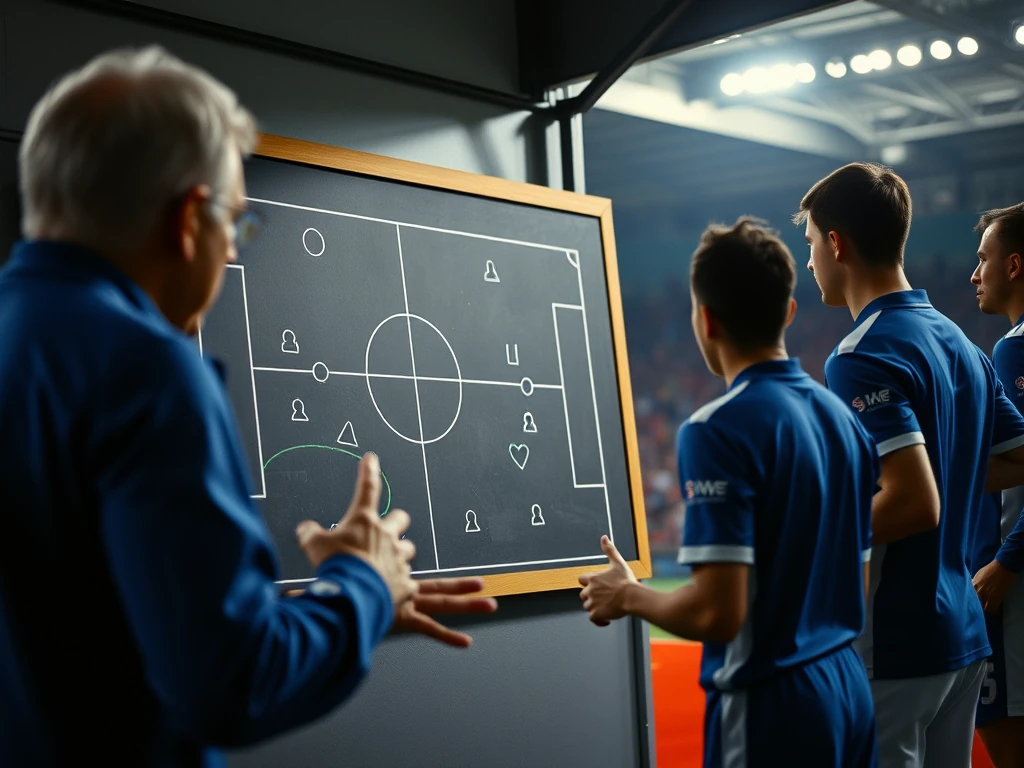
Under the current management, Everton has employed a pragmatic 4-2-3-1 formation, which has allowed for a solid defensive structure but has often stifled creativity in attack. While the defensive midfield pairing of Amadou Onana and Idrissa Gueye provides a strong shield for the back four, the lack of dynamism in the midfield has led to predictability in attacking phases. Additionally, the reliance on wide players, such as Dwight McNeil and Alex Iwobi, has not consistently stretched opposition defences, leaving the central striker isolated at times.
Suggested Tweaks for Improvement
1. Incorporate a More Fluid Midfield: One suggestion is to introduce a more dynamic midfield trio by deploying a player like James Garner in a central role alongside Onana and Gueye. This would not only add creativity to the midfield but also enhance ball progression. Garner's technical ability could help Everton transition more effectively from defence to attack, allowing for quicker link-up play and more opportunities for the forwards.
2. Utilise a Dual Strike Partnership: Transitioning to a two-striker system could also prove beneficial, particularly when facing teams that defend deep. A pairing of Dominic Calvert-Lewin with Neal Maupay could offer more attacking threat and create confusion among opposing defenders. The physical presence of Calvert-Lewin combined with Maupay's clever movement could lead to greater goal-scoring opportunities and less isolation for the forwards.
3. Encourage Full-Back Overlaps: The full-backs, particularly Vitalii Mykolenko and Nathan Patterson, should be encouraged to make overlapping runs more frequently. By stretching the play wide, this could create space for the attacking midfielders to exploit central areas, while also providing different angles of attack. This adjustment could also help in countering teams that sit back, as it would force them to deal with additional threats on the flanks.
4. Pressing and Counter-Pressing: Another area for improvement is the implementation of a more aggressive pressing strategy. Everton could benefit from initiating pressure higher up the pitch to win back possession quickly, disrupting the opposition's rhythm. This would require a commitment from all players, particularly the forwards, to engage defenders and force errors, leading to quick counter-attacking opportunities.
Conclusion
In summary, while Everton's current tactical setup has provided some stability, a few key adjustments could substantially improve their performances. By enhancing midfield fluidity, adopting a dual-strike approach, encouraging full-back overlaps, and implementing an aggressive pressing strategy, the Toffees can better use their squad's strengths. With the right tweaks, Everton can not only reclaim their competitive edge but also reignite the passion of their loyal fanbase at the Stadium.