
A Season to Forget
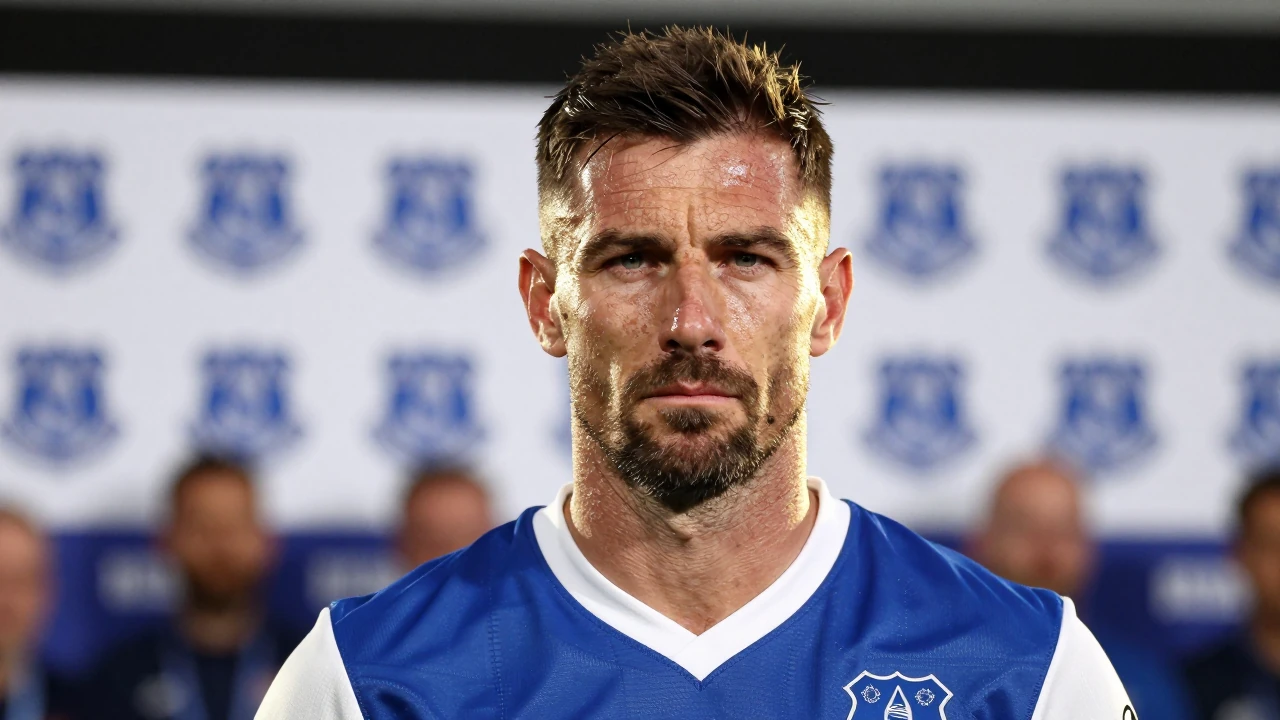
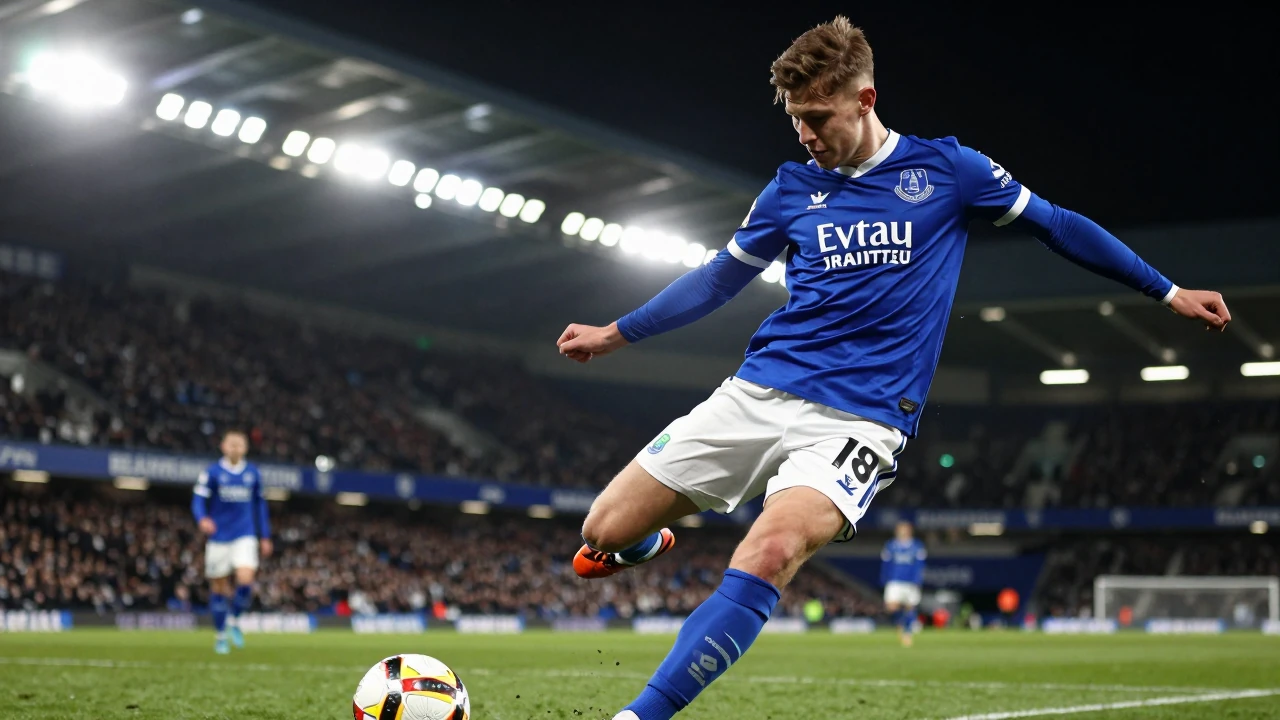
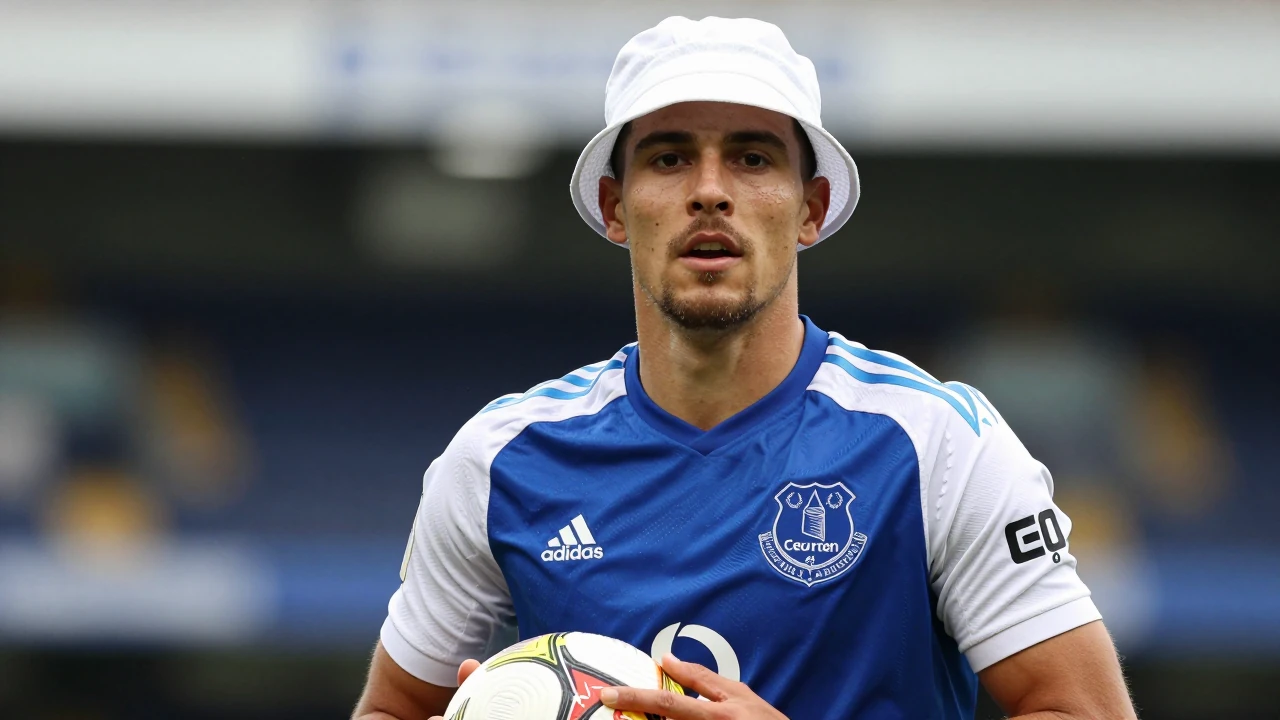
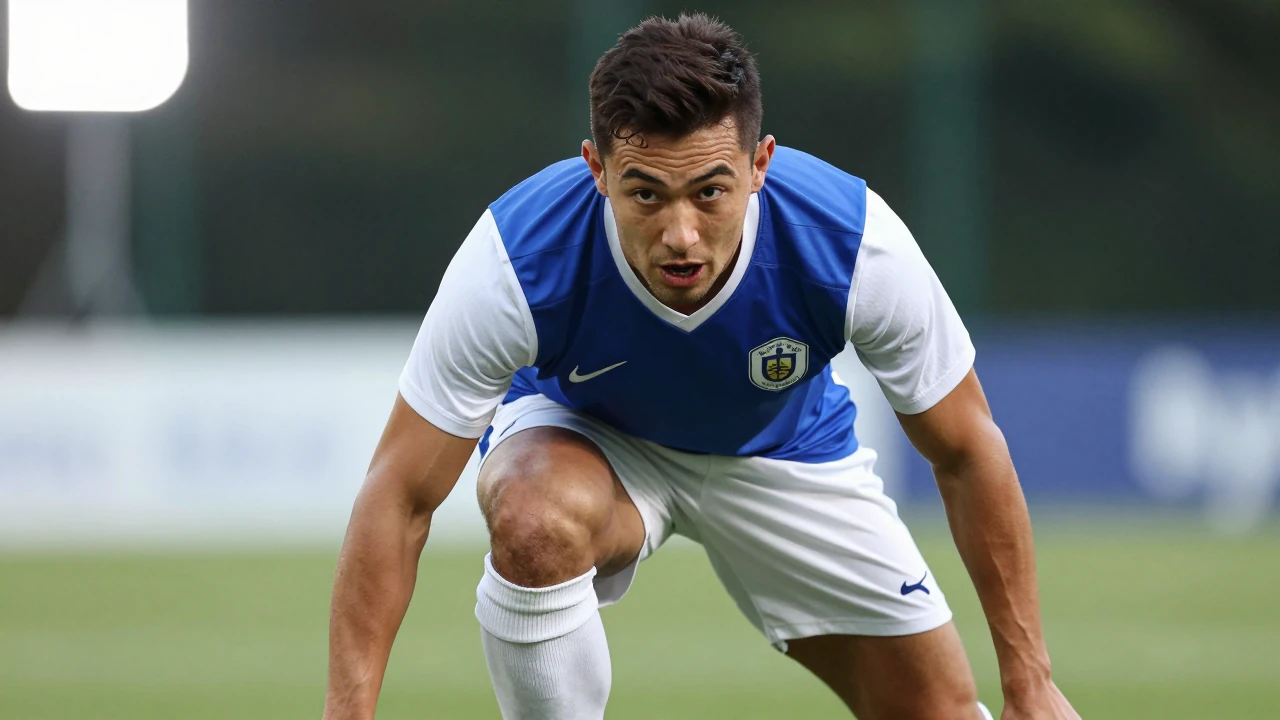
The Toffees concluded their 2025-26 campaign with a disappointing 1-0 defeat against Tottenham Hotspur at the Tottenham Hotspur Stadium on 28 May 2026. This loss confirmed a lacklustre 13th place finish for Everton in the Premier League, leaving many fans and analysts reflecting on a season fraught with challenges and missed opportunities. With the club's performance under scrutiny, this match encapsulated the ongoing struggles faced by the team.
Tactical Breakdown
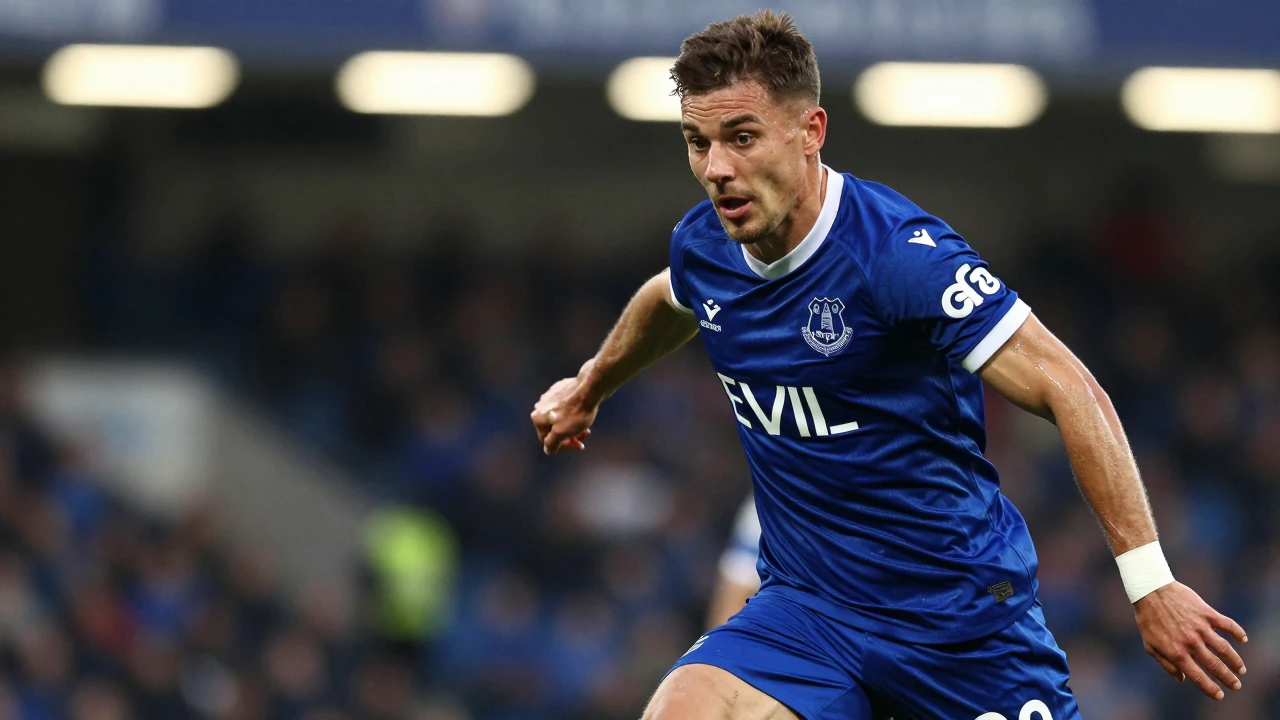
In the match against Spurs, Everton's tactical setup aimed to be defensively solid, but the execution fell short. Manager Sean Dyche opted for a 4-2-3-1 formation, focusing on compactness and counter-attacking possibilities. However, the Toffees failed to impose themselves offensively, managing just two shots on target throughout the 90 minutes.
The decisive moment came in the 87th minute when Tottenham's Harry Kane found the back of the net, capitalising on a defensive lapse from Everton. The game showcased the recurring theme of the season: a failure to convert defensive solidity into attacking threat. Despite having key players like Dominic Calvert-Lewin on the pitch, Everton struggled to create clear-cut chances, with the midfield often bypassed in favour of long balls.
What It Means for Everton
Finishing 13th in the Premier League is a significant blow for Everton, a club with ambitions that far exceed mid-table mediocrity. This season was marked by inconsistency, managerial changes, and a lack of coherence in playing style. Many fans are left questioning the club’s strategic direction and whether the leadership is equipped to steer the team back into contention for European spots. The club must now assess its squad for the upcoming transfer window, focusing on areas that desperately need strengthening.
The mood among supporters is mixed; some remain hopeful for a turnaround under Dyche, while others are sceptical about the current leadership. The failure to secure a more respectable finish could have implications for player recruitment, as potential signings may hesitate to join a club that appears to be stagnant.
The Wider Premier League Picture
Tottenham's victory over Everton not only secured their place in the top four but also highlighted the disparity between the elite teams and those languishing in mid-table. The Premier League continues to be a battleground where the top clubs invest heavily, leaving teams like Everton struggling to compete.
As clubs like Manchester City, Liverpool, and Chelsea bolster their squads, the pressure mounts on Everton to keep pace. With financial fair play regulations tightening, Everton’s management must navigate a complex landscape of recruitment while also managing the club’s finances.
- Key Points from the Match:
- Everton finished 13th in the Premier League.
- Tottenham secured a top-four finish.
- Everton managed only two shots on target.
- Defeat confirmed a disappointing end to the season.
Fan Reaction and Outlook
The reaction from the Everton fanbase has been vocal and varied. Many supporters took to social media to express their frustration, with hashtags like #DycheOut trending shortly after the final whistle. The sentiment is clear: change is necessary if Everton is to rise from the depths of mediocrity.
Fans are particularly concerned about the lack of attacking intent displayed throughout the season. With key players underperforming and injuries affecting squad depth, supporters are eager to see significant changes in the summer transfer window. The hope is that the club can bring in fresh talent that aligns with Dyche’s vision, allowing for a more dynamic style of play.
The Financial Implications
Beyond the pitch, the financial ramifications of finishing 13th are significant. The club’s revenues are heavily influenced by league position, and a lower finish means diminished financial rewards from broadcasting and sponsorship deals. This predicament complicates Everton's ability to invest in new players.
Critics will argue that the club's financial strategy needs a complete overhaul. Everton must find a way to balance their books while still aiming for improvement on the pitch. If they continue to finish mid-table, the cycle of limited investment and lack of on-field success could become a vicious cycle.
What's Next
Looking ahead, Everton faces a pivotal summer as they prepare for the 2026-27 season. The club will need to conduct a thorough review of both their playing staff and management structure. Securing a few key signings could revitalise the squad, but it’s equally important to foster a clear identity under Dyche.
If the Toffees can address their weaknesses and enhance their attacking prowess, there’s hope yet that they could challenge for a higher league finish next season. However, the path forward will require unity among the fanbase, players, and management alike to steer the club back to its rightful place in the upper echelons of English football.